A good office lunch changes the temperature of the room. People step away from tabs, talk like humans, and come back with more energy than they had before. That is how to plan office lunch the right way: not as a random pile of sandwiches, but as a meal the whole crew is actually ready to claim.
The stakes are higher than they look. Order too little and somebody is quietly eating vending-machine crackers by 2 p.m. Order only one type of food and the vegetarian, gluten-conscious teammate, or person who just cannot do another dry wrap gets left out. Get the timing wrong and lunch lands in the middle of the meeting, cold and ignored.
The move is simple: plan for real people, real appetites, and food with enough flavor to pull everyone away from their desk.
Start With the Why, Then Pick the Lunch
First, know what this lunch needs to do. Is it a fast working lunch between meetings? A welcome meal for a new hire? A team win? A Friday excuse to eat something messy and talk trash about weekend plans?
A working lunch needs food that is easy to serve and eat in a short window. A celebration can go bigger, with shareable sides, shakes, wings, and enough room for people to linger. If the team is remote-hybrid and only in the office one day a week, lunch may be the social glue. Treat it like it matters.
Then set the basics: date, delivery or pickup time, location, budget per person, and whether the meal needs to be individually packaged. Those five details prevent most lunch-day chaos.
For a typical midday order, aim to have food arrive 10 to 15 minutes before the official lunch start. That gives you time to set it out, label it, and handle the classic “Wait, which one is mine?” moment before everyone is hungry.
Get a Headcount That Does Not Lie
The calendar invite says 32 people. That does not always mean 32 people will eat. Some may be off-site, some may have brought lunch, and some may be joining only for the first half of the meeting.
Ask for a real RSVP when the budget is tight or dietary needs are complex. For a casual team lunch, order for the confirmed headcount plus a small cushion, usually 5 to 10 percent. The right buffer depends on the crew. If your office has a reputation for people bringing containers for leftovers, lean toward more food. If half the team is traveling that week, do not overdo it.
Lunch timing matters too. A 12:30 p.m. meal after a long morning meeting tends to hit harder than a 10:45 a.m. brunch-style spread. Big appetites are real. So is the person who says they are “just grabbing a few fries” and then builds a full plate.
Ask About Dietary Needs Early
Do not make dietary questions an afterthought. Send one quick note a few days before ordering: Are there any allergies, vegetarian or vegan preferences, gluten concerns, or other needs we should plan for?
You do not need to turn lunch into a spreadsheet nightmare. You do need enough information to make sure everyone has a solid option. A mixed menu works best because it lets people choose their own lane: burgers for the smash-burger loyalists, chicken for the crispy-bite crowd, salads or bowls for lighter lunch people, and plant-based choices that are actual meals instead of an apology side salad.
Allergies require extra care. Confirm ingredient details directly with the restaurant, and label food clearly when it arrives. If cross-contact is a serious concern, do not guess. Ask. It is better to make one extra call than put someone in a bad situation.
Build a Menu for the Whole Crew
The best office lunch is not built around your personal favorite. It is built around variety without turning the order into 47 custom tickets.
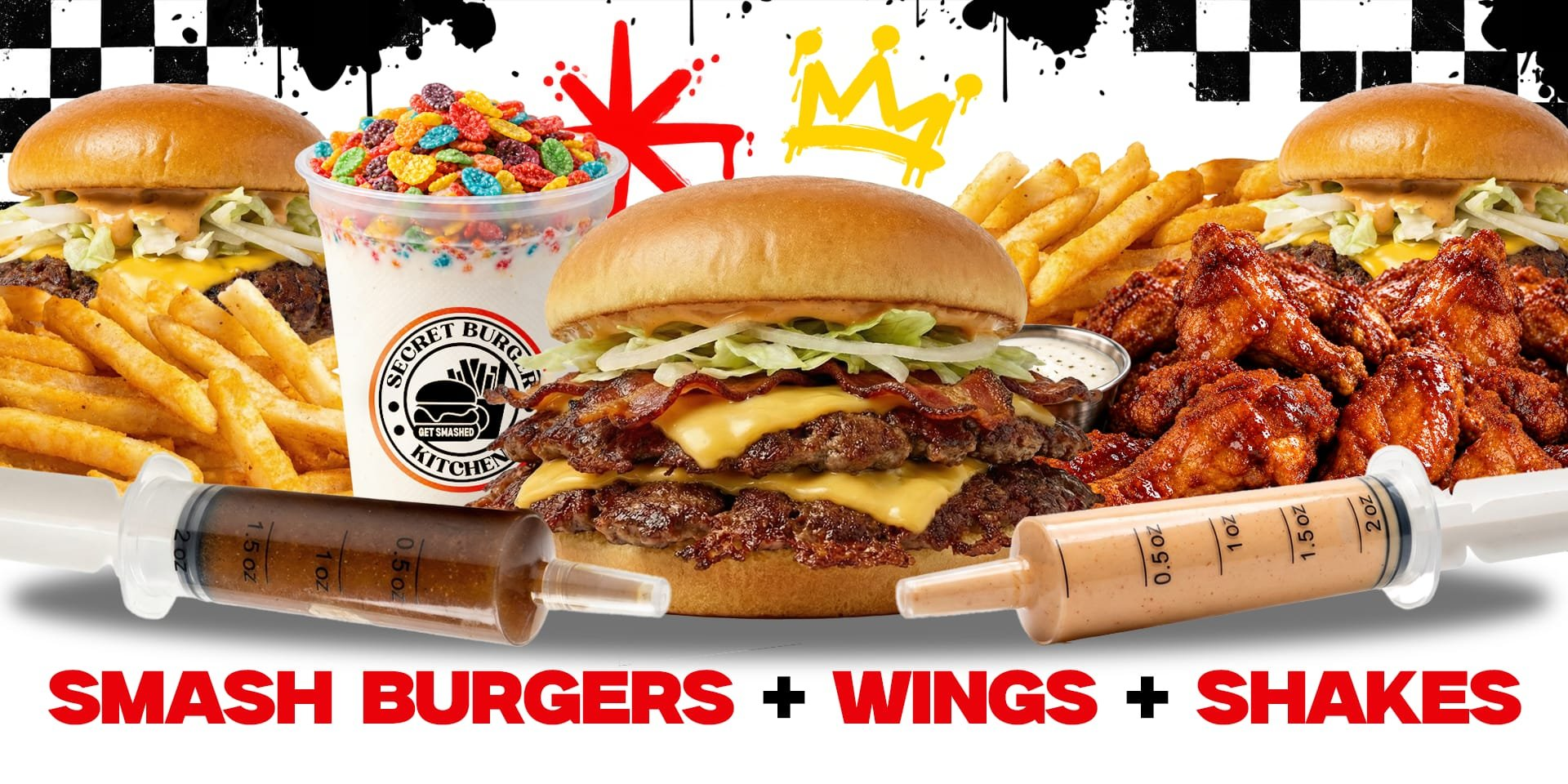
Start with a main option people will be excited about. Crispy-edge smash burgers with melty cheese and bold sauce bring immediate lunch energy. Add chicken or wings for people who want something different, then balance the spread with bowls, salads, and plant-based options. Fries are the common language of office lunch, so order enough to share, not just enough to technically check the side-item box.
Keep the menu focused. Too many choices slow down ordering, create mix-ups, and make the setup look like a confused food court. Three to five main categories is usually plenty for a group. If your team is under 15 people, individual meals may be easiest. For larger teams, a mix of labeled individual entrées and shareable sides can keep the line moving.
Here is where the trade-off comes in: individually packaged meals are clean, easy to track, and great for busy schedules. Family-style food feels more social, costs less in some cases, and encourages people to try different things. For a team celebration, shared wings, fries, and sauces bring more energy. For a packed training day, labeled individual meals win.
Secret Burger Kitchen is a strong fit for mixed office crews in Tacoma, Seattle’s Capitol Hill, and Kirkland because the menu can cover burger fans, wing people, chicken orders, bowls, salads, shakes, and plant-based eaters without sending the group to three different places.
Do Not Forget the Details That Save Lunch
Food is the headline. Logistics are what keep it from becoming a mess for the wrong reasons.
Confirm where the driver or pickup person should go. Large offices, hotel lobbies, campuses, and buildings with locked entrances can make delivery complicated. Give clear instructions, a contact number, and enough lead time for parking or security. If you are picking up, assign one person who has a car big enough for the order and knows the pickup window.
Set up a designated lunch table before the food arrives. Put plates, napkins, utensils, cups, and trash or recycling nearby. Saucy burgers, wings, fries, and shakes deserve extra napkins. Nobody wants to hunt through a supply closet with sauce on their hands.
Labels matter. Put dietary meals to one side and mark them clearly. If there are identical-looking items with different ingredients, write the name of the person or meal type on each package. This is especially helpful when lunch is served during a meeting and people grab food quickly.
Also, plan drinks. Water is non-negotiable. A few sparkling waters, sodas, or canned beverages can make the meal feel more complete, depending on your budget and office policies. Shakes are a fun upgrade for a smaller crew or a celebration, but they are not always the easiest choice for a large meeting with limited fridge space.
Place the Order Earlier Than You Think
For a small, simple weekday lunch, ordering a day ahead is usually smart. For 20-plus people, a Friday lunch, a holiday week, or a meal with lots of dietary requests, give the restaurant more notice. Earlier planning gives the kitchen time to execute and gives you time to fix any last-minute headcount changes.
When you place the order, confirm the total number of meals, the arrival time, packaging format, dietary items, utensils, sauces, and who will receive the food. Read the order back before submitting it. It takes two minutes and can save a lot of lunchtime regret.
Set one clear cutoff for changes. Teams love a last-minute “Can you add me?” message, especially when the food smells good. If there is room in the budget, keep a few flexible meals or extra sides in the plan. If not, be honest about the deadline.
Make It Feel Like a Break, Not Another Meeting
A team lunch does not need a forced icebreaker or a slide deck. Sometimes the best thing you can offer people is permission to eat, laugh, and not talk about deliverables for 30 minutes.
If the lunch is tied to a work event, keep announcements short. Thank the team, share the win, then let the food do its job. Good office culture is often built in the small moments: somebody passing fries across the table, debating sauce choices, or introducing two coworkers who usually only know each other from video calls.
Want an easy move for repeat lunches? Track what disappeared first and what came back untouched. Your crew will tell you the truth with their plates. If the wings vanish in ten minutes and the same salad sits untouched twice, adjust next time. Planning gets easier when you stop guessing.
The goal is not to impress people with an elaborate order. It is to make everyone feel considered, fed, and glad they showed up. Bring the bold food, leave room for every appetite, and let the crew take it from there. Keep it messy.
Related reading: A Guide to Restaurant Meal Deals That Hit Hard.


 PICKUP AND Delivery
 EAT HERE