A good meal deal should feel like a win before the first bite. This guide to restaurant meal deals is for anyone who wants more food, more flavor, and less regret than a sad “value” order built around tiny portions and filler sides. The best deals do not just lower the price. They make it easier to feed your craving, your crew, or your lunch break without playing menu math for ten minutes.
What Makes a Restaurant Meal Deal Worth It?
A low price is not the whole story. If the burger is thin in the wrong way, the fries are an afterthought, or the drink is doing all the work, you did not score a deal. You bought a compromise.
The real test is simple: would you order the main item by itself? A strong deal starts with food that already has pull – a crispy-edge smash burger with melty cheese, saucy wings with actual heat, or crunchy chicken that does not need a mountain of ranch to wake up. The extras should make the meal feel complete, not distract from a weak centerpiece.
Portion size matters too, but not in the “biggest box wins” way. A mountain of food is only value if people will actually eat it. Look for combinations that match how you eat: a satisfying burger-and-fries situation for one, wings and loaded sides for sharing, or a balanced bowl when you want flavor without a post-lunch crash.
The Deal Has to Match the Moment
A lunch deal has different rules than a late-night order. At lunch, speed and enough fuel to finish the day matter. During a game, movie night, or crew link-up, shareability matters more. A family order needs variety because one person wants wings, another wants a burger, and somebody is absolutely ordering a shake.
That is why fixed bundles can be great or completely wrong. A bundle that includes exactly what you wanted saves time and money. One packed with items nobody touches is just an expensive way to collect leftovers. Check the full build before you order, especially when a deal automatically adds drinks, sides, or sauces.
How to Spot the Best Restaurant Meal Deals
The smartest move is to compare the bundle to the way you would naturally order, not to the highest possible menu total. Restaurants sometimes show big “you save” numbers by pairing items you would never have chosen together. That does not make it bad, but it may not be your deal.
Start with the main item. Is it a full entrée, or a stripped-down version? Then check the side. Fresh fries, onion rings, a salad, or a shareable appetizer add real value. A tiny bag of chips may be fine for a quick lunch, but it should not be the reason you call something a feast.
Drinks are where the math gets personal. If you were going to get a shake, fountain drink, or canned beverage anyway, a combo is likely a clean win. If you usually stick with water, a bundle with a required drink may not beat ordering à la carte. The same goes for dessert. A cookie or shake feels like a bonus when you want it, not when it is forced into the price.
Look Past the Word “Combo”
Restaurants use different names for value plays: combos, boxes, bundles, family meals, lunch specials, happy-hour menus, game-day packs, and limited-time drops. The label matters less than what is inside.
Some of the best restaurant meal deals are not advertised as deals at all. A two-burger order with a shareable fry may stretch better for two people than two separate combos. A wing pack can feed a group better than everyone building individual meals. A bowl with protein, greens, and bold sauce can be a smarter solo order than piecing together several sides because you could not decide.
Here are five signs a deal is actually built right:
- The main item is the real version, not a smaller portion with a flashy name.
- The sides bring flavor and usefulness, from hot fries to a salad that can stand on its own.
- You can choose sauces, heat levels, or proteins that fit your taste.
- The bundle feeds the number of people it claims to feed.
- The price beats ordering those same items separately, without adding stuff you will not eat.
Build for Your Craving, Not Just the Sticker Price
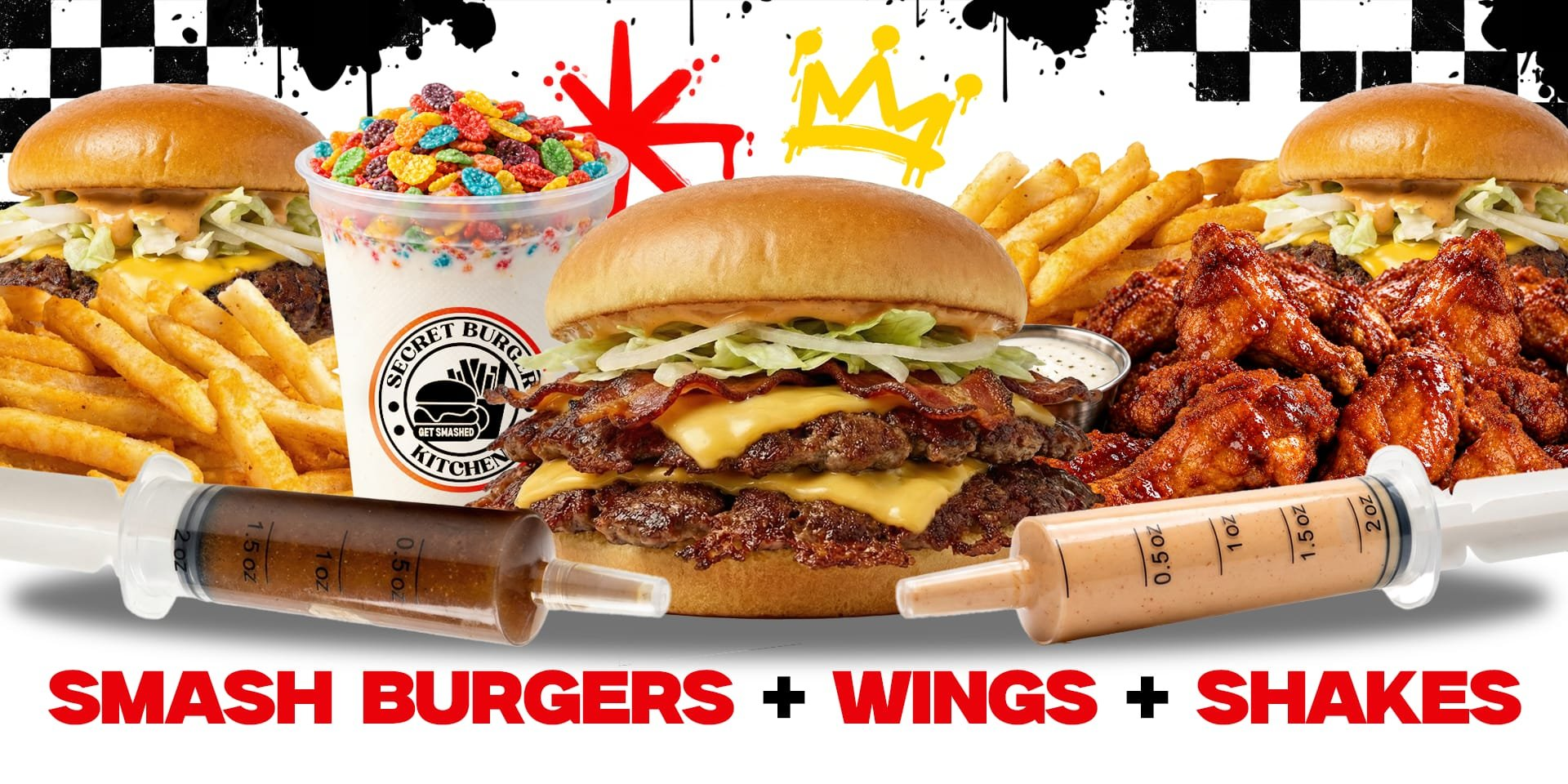
There is no universal “best” deal because cravings do not play by one set of rules. Some days, nothing but a double smash burger with crispy edges and a pile of hot fries will do. Other days, wings are the assignment. If you are meeting friends, the right order might be a mix of burgers, chicken, plant-based options, and enough sauces to turn the table into a beautiful mess.
The move is to choose one anchor item first. That is the thing you are genuinely excited to eat. Build around it with a side or drink only if it improves the experience. A great meal deal should remove decisions, not bury you under them.
For example, a solo diner with a big appetite may get more satisfaction from one strong burger combo than a bargain-priced snack bundle. Two friends could split wings and fries, then add a burger each if they want the full spread. A group should prioritize variety over identical meals, especially if dietary needs are in the mix.
At Secret Burger Kitchen, that mixed-group reality is part of the point: burger people, wing people, chicken people, bowl people, salad people, and plant-based eaters can all pull up without making the order complicated. That kind of flexibility can be more valuable than the cheapest possible bundle.
Group Deals Need a Different Strategy
Ordering for a group is where restaurant value can either shine or fall apart fast. The most common mistake is ordering one big package and hoping everybody is happy. That works only when the group actually wants the same food.
Instead, count the people, then count the appetites. If three people are light eaters and two are ready to go all in, a rigid five-person package may leave food untouched on one end and somebody hungry on the other. Build around shared starters, then make sure there are enough substantial mains.
Wings, fries, and sauce-forward sides are natural share items. Burgers and bowls tend to be more personal. Shakes can go either way, depending on whether your crew shares straws or guards dessert like it is classified information.
Also, do not forget the sauce factor. A wing deal is not complete if it arrives dry on options. A burger-and-fries spread hits harder when there is something smoky, spicy, tangy, or creamy to drag those fries through. Condiments are not a minor detail when flavor is the whole reason you ordered.
Watch for the Fine Print Without Killing the Vibe
Deals sometimes have limits: certain hours, dine-in only rules, excluded premium items, no substitutions, or requirements to order through a specific channel. None of that is automatically shady. Restaurants need guardrails to make specials work. Just know the rules before you build your appetite around a price that only applies on Tuesdays before 4 p.m.
If substitutions matter to you, check first. Swapping a side, choosing a plant-based protein, or changing a drink can turn a deal into a better fit, but it can also add a charge. The same goes for upgrades. Extra patties, premium sauces, and loaded fries are worth it when they are the reason your order goes from decent to notorious. They are not worth it when you add them on autopilot and erase the savings.
The Best Value Is Food You Want Again
A deal can be cheap once. Crave-worthy food earns the repeat order. That is the difference between a discount you barely remember and a meal you text the group chat about before you have finished the fries.
So skip the bargain that feels like a punishment. Choose the bundle that gives you the right amount of food, real options for your crew, and flavors with some volume. When the burger has crispy edges, the wings bring heat, the fries stay in rotation, and the sauce makes a mess worth making, you found the kind of value that matters. Keep it secret. Keep it messy.
Related reading: How to Plan Office Lunch Without Sad Desk Meals.


 PICKUP AND Delivery
 EAT HERE